Crossbeam Ecosystem Integrations
Senior PM for ecosystems at Crossbeam. The CRM integrations the product runs on, eight first-time partner integrations, and the connectivity strategy that became the company's integration playbook.
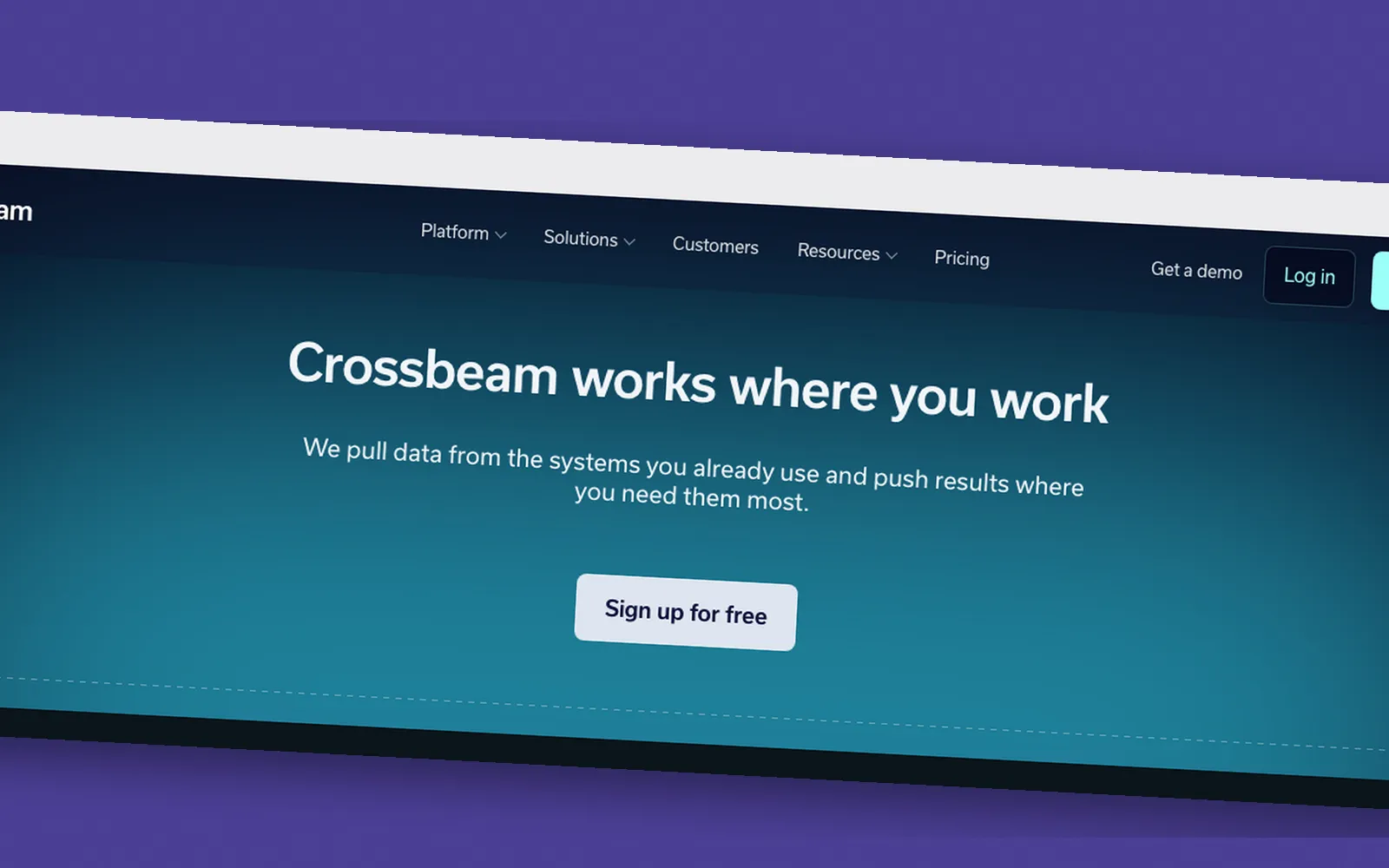
Crossbeam is only useful if it can see your CRM and push what it learns back into the tools your sales and partner teams live in. I owned that surface: the integrations, the public API, and the strategy for which ones to build next.
The foundation was the three CRMs. I led scoping and development of the Salesforce, HubSpot, and Microsoft Dynamics integrations, which is where account-mapping data enters the product and where overlaps have to land as something a rep can act on. Around them I delivered the first integrations with Marketo, Outreach, ActiveCampaign, Impartner, LeanData, PartnerPortal.io, and Clari, and scoped a Gong integration to surface partner overlaps inside call intelligence. Each one is a different partner data model, a different auth story, a different rate limit, and a user who doesn’t care about any of that and just wants the overlap to show up where they’re already working.
The one with the longest tail was Partnered. I led the integration with them as a partner. They were later acquired, became Salesedge, and then Crossbeam for Sales, which is now a core piece of Crossbeam Copilot.
The strategy work was expanding the connectivity strategy: deciding, with evidence, which integrations were expansion of a proven category and which were a net-new use case, and what each deserved in investment. I later wrote that framing up in the business case guide and taught it in the mastermind series.